

Built to Flex
It’s been a little quiet around here.
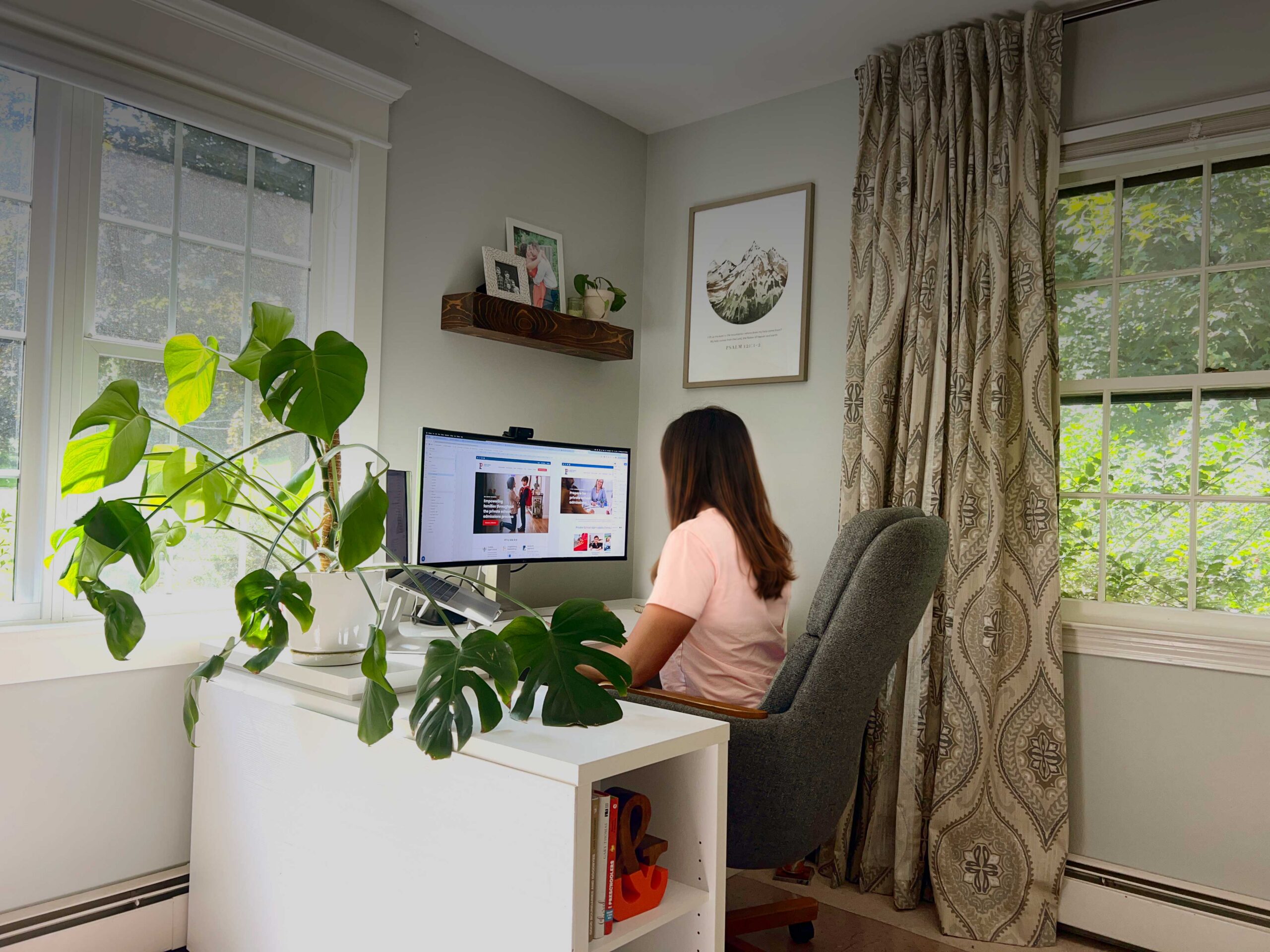
Summer looks different for me. I have four boys, and when they’re home from school, work naturally slows down. I kept a few things moving, but I definitely wasn’t working at the same pace I do during the school year. And I really wasn’t making time to blog.
For a while, I think I would have seen that as a problem. Like I needed to keep everything moving at the same speed all year in order for the business to be successful. I don’t really see it that way anymore. A good system should be able to handle different seasons without completely falling apart. That’s true in UX too.
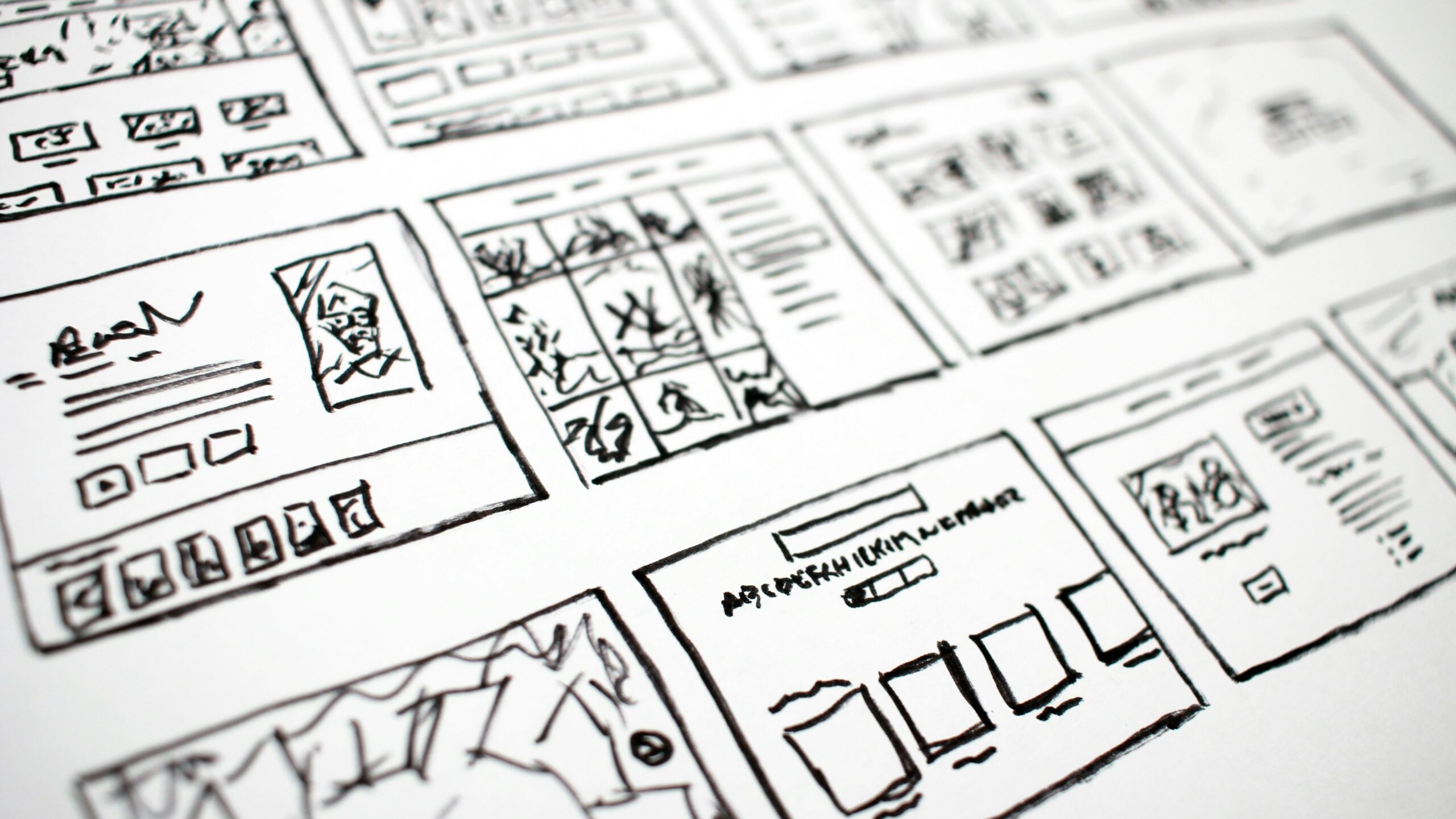
You can design something that looks perfect when everything goes exactly as planned, but real users, real content, and real businesses are rarely that predictable. Things change. New needs come up. Priorities shift. What worked at launch may need to work differently six months later. The goal isn’t to design something that never changes. It’s to design something that can change without losing what made it work in the first place.
That’s true in UX, too.
You can design something that looks perfect when everything goes exactly as planned, but real users, real content, and real businesses are rarely that predictable. Things change. New needs come up. Priorities shift. What worked at launch may need to work differently six months later. The goal isn’t to design something that never changes. It’s to design something that can change without losing what made it work in the first place.
I’ve realized I want Bonfire to work that way too. There are parts of the business that I don’t want to change. I still want to do thoughtful work. I still want to solve complicated problems and make things easier to understand. I still want my clients to feel like they have someone in their corner who cares about the details. But the pace can flex. This summer, it needed to.
Not every project makes the portfolio.
A lot of the work I did earlier this year is also confidential, which means it isn’t something I can share here or turn into a case study. That can be a little frustrating when you run a creative business because so much of marketing is built around showing the work. Sometimes you spend weeks inside a project, thinking through structure, content, user needs, and all the little decisions that make the final experience better, and then there’s very little you can actually show afterward. That doesn’t make the work any less valuable. It just means not everything ends up on the portfolio.
Trying something outside my usual lane.
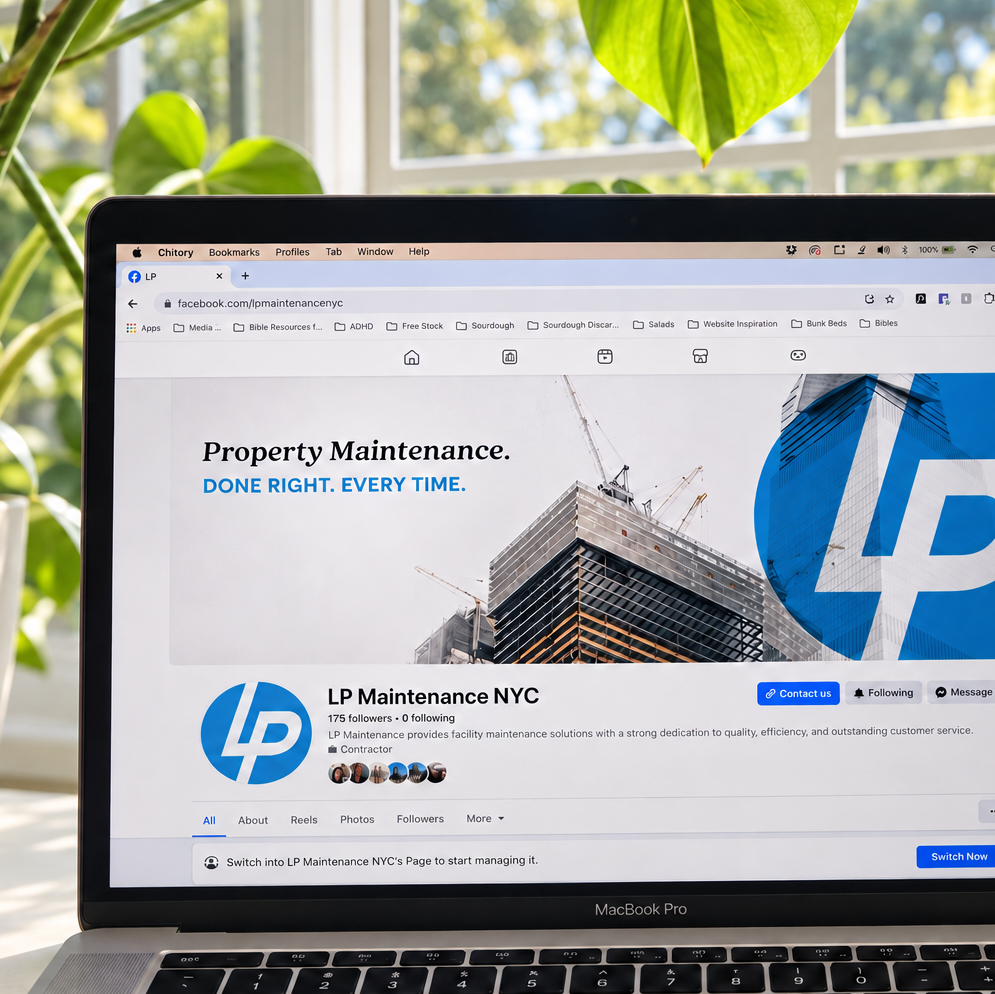
One of the only projects I can talk about from this year was actually something completely new for me. I’ve been helping LP Maintenance with their social media. And no, this is not me announcing social media management as a new Bonfire service. It was simply an opportunity to try something outside my usual lane, and it ended up being more interesting than I expected.
Even though the deliverable is completely different from designing a website, I kept finding myself approaching it the same way I approach UX. Who are we talking to? What do they actually care about? What needs to be said? What can be left out? How do you make something clear without overexplaining it? Different output, but a lot of the same thinking.
Good design thinking travels.
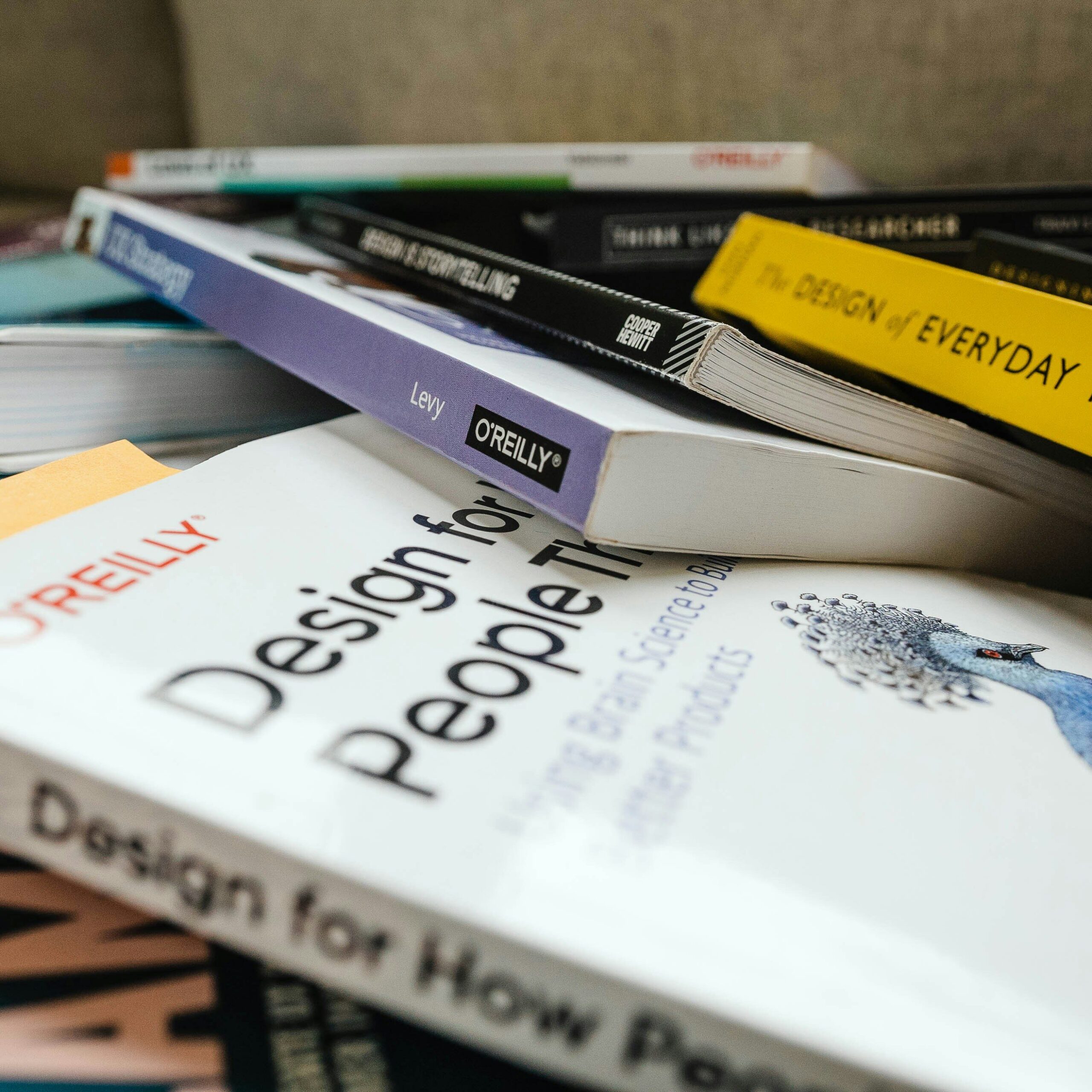
That was probably my biggest reminder this year. Good design thinking travels. It isn’t only useful inside Figma. It shows up anytime you’re trying to understand an audience, organize information, create clarity, or build something people can actually use and maintain.
The same is true for the way I’m learning to run Bonfire. I don’t need every season to look exactly the same. Some will be full. Some will be slower. Some will be spent deep in client work, and some will leave more room for writing, sharing, and trying new things. The important part is that the business is built to handle all of it.
So, no, this isn’t really an “I’m back” post.
It’s more of a recognition that the pace of this business isn’t always going to look the same, and I’m okay with that.
Now that the boys are back in school, I have a little more room to dig back into the work and hopefully write about more of it along the way. But that stretch reminded me of something I believe just as strongly about running a studio as I do about designing digital experiences: they aren’t rigid. The best design systems are built to flex around real life.x around real life without losing sight of what matters.
